Historical figure · History of Russia · 17th century
Sofiya Alekseyevna
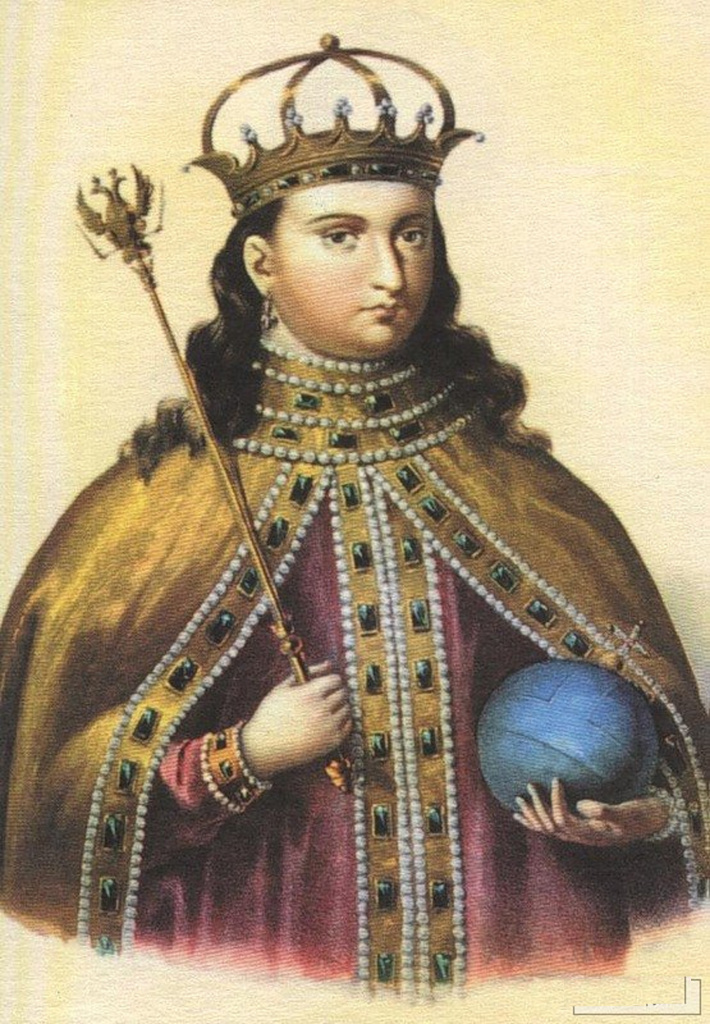
👑 Tsarevna Sophia Alekseyevna, daughter of Tsar Alexei Mikhailovich from his first marriage, became the first woman in Russian history to effectively head the state, although she never formally held the title of tsar. Taking advantage of the Streltsy uprising of 1682, which broke out after the death of the childless Tsar Fyodor Alekseyevich, Sophia had herself proclaimed regent for the two underage tsars — her full brother Ivan V and half-brother Peter Alekseyevich. Possessing extraordinary intelligence, ambition, and political skill rare for a woman of her time, Sophia effectively concentrated full state power in her own hands for the next seven years.
🏛️ In domestic policy, the regent relied on her favorite and chief advisor, Prince Vasily Golitsyn, who shared her views on the need for gradual modernization of the country. Under Sophia, the development of the education system continued — the Slavic-Greek-Latin Academy was opened, becoming the first institution of higher learning in Russia. The regent also sought to somewhat ease the position of the streltsy and streamline the prikaz administrative system, although her rule did not bring large-scale structural reforms.
⚔️ Sophia's foreign policy was marked by the conclusion in 1686 of the "Eternal Peace" with the Polish-Lithuanian Commonwealth, which finally secured Kiev and Left-bank Ukraine for Russia and formalized a military alliance against the Ottoman Empire and the Crimean Khanate. In fulfillment of these allied obligations, two Crimean campaigns were undertaken in 1687 and 1689 under the command of Prince Golitsyn, but both ended in failure, seriously undermining the authority of the regent and her favorite at court. These military setbacks became one of the factors that hastened Sophia's downfall.
💔 The struggle for power between Sophia and the maturing Peter intensified as the latter grew older and sought to free himself from his elder sister's guardianship and take the reins of government into his own hands. In 1689, the tsarevna attempted to organize a new streltsy revolt against Peter, but the plot was discovered, and the streltsy failed to support the regent at the decisive moment. Defeated in this confrontation, Sophia was removed from power and confined to the Novodevichy Convent, where she spent the rest of her life, and after the streltsy uprising of 1698, she was forcibly tonsured as a nun under the name Susanna by order of Peter I.
Key dates
- 1682 — Streltsy uprising in Moscow and Sophia proclaimed regent
- 1682 — Ivan V and Peter I enthroned under Sophia's regency
- 1685 — opening of the Slavic-Greek-Latin Academy
- 1686 — conclusion of the "Eternal Peace" with the Polish-Lithuanian Commonwealth
- 1687 — first Crimean campaign led by Prince Golitsyn
- 1689 — second Crimean campaign led by Prince Golitsyn
- 1689 — attempted streltsy revolt against Peter I
- 1689 — Sophia removed from power and confined to Novodevichy Convent
- 1698 — new streltsy uprising in support of Sophia
- 1698 — Sophia forcibly tonsured as a nun under the name Susanna